Why Building Automation Powers Property Safety
Over the past two decades in this industry, I’ve seen property management evolve from simple lock-and-key systems to highly sophisticated networks of automation. For me, building automation isn’t just about convenience — it’s the backbone of property safety.
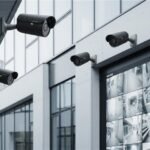
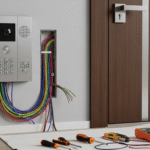
When I started working on my first projects, property owners were excited simply to have basic intercoms and a few cameras in place. Fast forward to today, and the expectations are dramatically different. Tenants now expect seamless control over their environment, property managers demand real-time data, and security must always be reliable. That’s where building automation comes in.
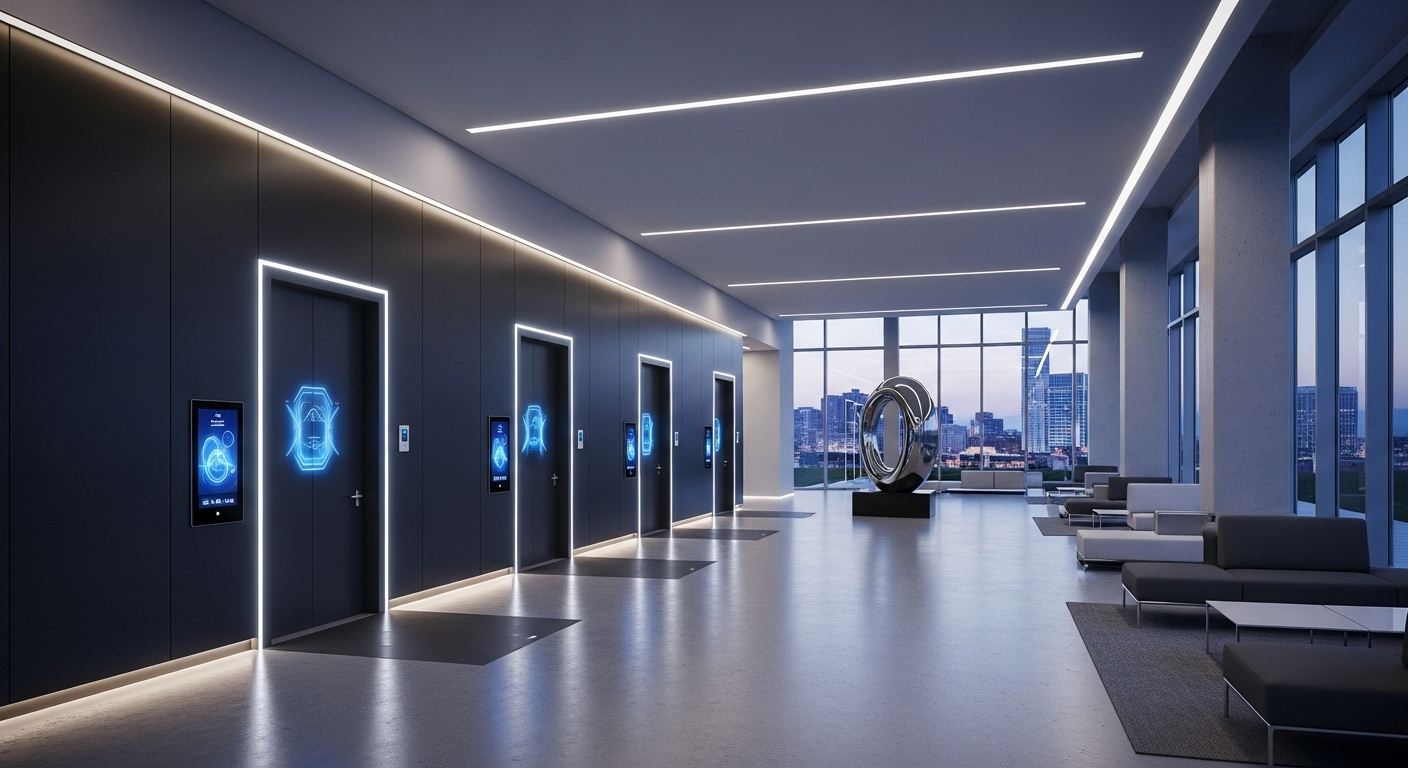
By integrating lighting, HVAC, and access control systems into one smart platform, I can help properties anticipate and respond to safety risks before they escalate. For example, an automated lighting system can deter unwanted visitors by activating at specific times, while access control logs give managers a clear record of who entered and when.
Another advantage is energy efficiency, which directly ties back to safety. A building that is poorly managed often has dark corners, faulty climate control, and under-maintained systems — all of which can become vulnerabilities. By automating these functions, properties stay well-lit, comfortable, and secure.
But perhaps the biggest shift I’ve seen is the role of remote access. Today, I work with property owners who can monitor their buildings from anywhere in the world, unlocking doors, reviewing video footage, or adjusting settings instantly. This level of control was unimaginable 20 years ago, and yet it’s now a standard expectation.
To me, the future of building safety is deeply intertwined with automation. It’s not just about adding gadgets; it’s about creating a connected ecosystem where every component works together to keep people safe.