How Surveillance Cameras Support Proactive Property Management
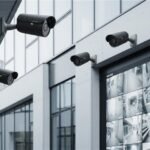
When I talk to property managers about security, I often stress one thing: surveillance cameras are not just reactive tools; they are proactive solutions. Over the years, I’ve seen firsthand how a well-planned surveillance system can transform property management.
In the early days of my career, cameras were little more than recording devices. They provided footage after an incident had occurred but offered limited value in preventing issues. Today, thanks to advances in technology, cameras have become predictive, analytical, and highly integrated.
Modern surveillance systems I install now come equipped with AI-driven analytics that can detect unusual movement, identify license plates, and even send real-time alerts. For property managers, this means problems can be addressed immediately rather than after the fact.
Another key advantage is remote accessibility. Managers don’t need to be on-site to monitor activity. With secure cloud connections, they can access live feeds on their phone or laptop, giving them peace of mind wherever they are.
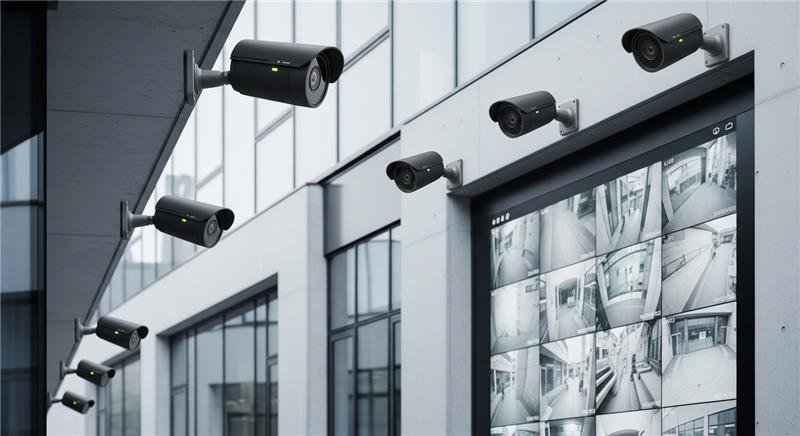
But technology alone isn’t enough. Placement, lighting, and integration matter just as much as the hardware. I’ve worked on projects where simply relocating cameras to better vantage points significantly improved coverage and reduced blind spots. It’s a reminder that proactive management requires both technology and strategy.
Perhaps most importantly, surveillance creates a sense of accountability. Tenants and visitors alike feel safer knowing their environment is monitored, and this in turn builds trust in the property management team.
For me, cameras represent more than just security equipment — they’re an essential part of a proactive, responsive, and modern property management strategy. When combined with automation and access control, they create environments that are both secure and welcoming.