
Categories
Uncategorized

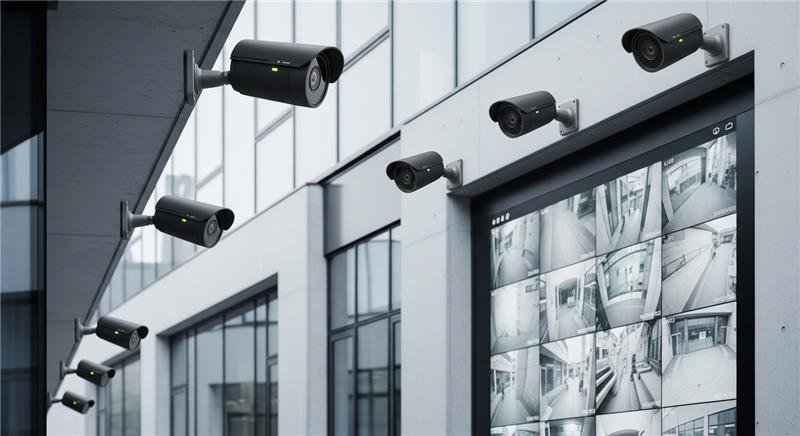
How Surveillance Cameras Support Proactive Property Management

When I talk to property managers about security, I often stress one thing: surveillance cameras are not just reactive tools; they are proactive solutions. Over the years, I’ve seen firsthand how a well-planned surveillance system can transform property management.

In the early days of my career, cameras were little more than recording devices. They provided footage after an incident had occurred but offered limited value in preventing issues. Today, thanks to advances in technology, cameras have become predictive, analytical, and highly integrated.

Modern surveillance systems I install now come equipped with AI-driven analytics that can detect unusual movement, identify license plates, and even send real-time alerts. For property managers, this means problems can be addressed immediately rather than after the fact.

Another key advantage is remote accessibility. Managers don’t need to be on-site to monitor activity. With secure cloud connections, they can access live feeds on their phone or laptop, giving them peace of mind wherever they are.

But technology alone isn’t enough. Placement, lighting, and integration matter just as much as the hardware. I’ve worked on projects where simply relocating cameras to better vantage points significantly improved coverage and reduced blind spots. It’s a reminder that proactive management requires both technology and strategy.

Perhaps most importantly, surveillance creates a sense of accountability. Tenants and visitors alike feel safer knowing their environment is monitored, and this in turn builds trust in the property management team.

For me, cameras represent more than just security equipment — they’re an essential part of a proactive, responsive, and modern property management strategy. When combined with automation and access control, they create environments that are both secure and welcoming.
Categories
Uncategorized

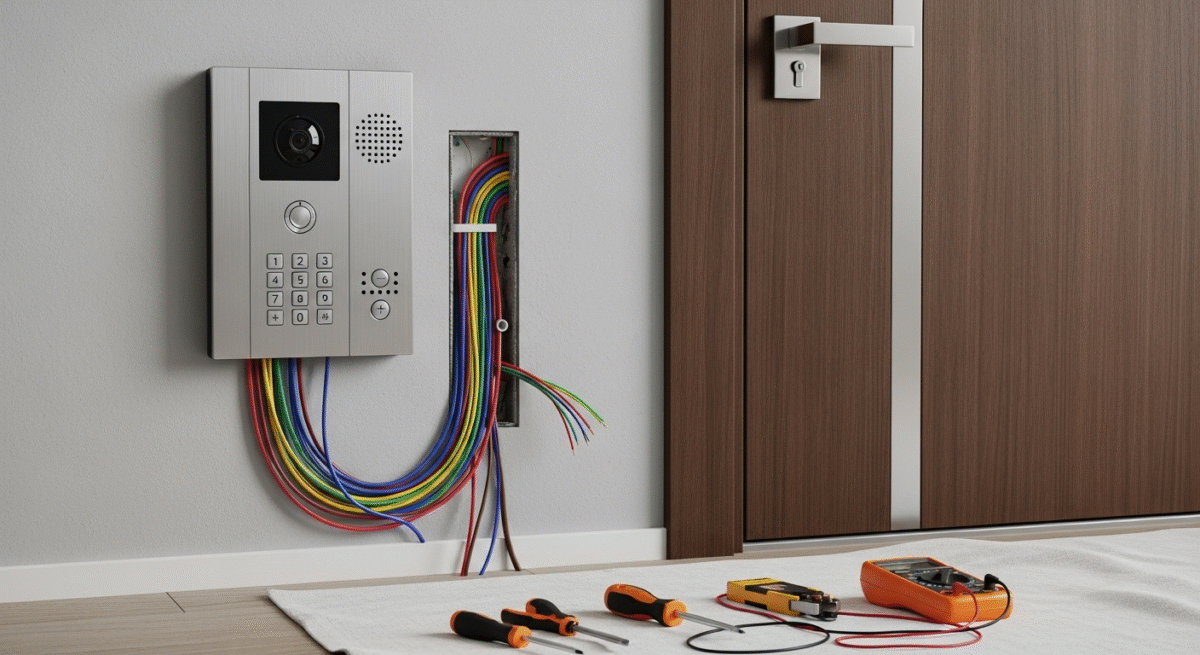
Smart Intercoms in Multifamily Buildings: Key Challenges & Fixes

As someone who has personally overseen countless intercom installations across multifamily properties, I can tell you this: no two projects are ever the same. While the technology has advanced dramatically, the challenges often remain consistent.

One of the first issues I usually encounter is network infrastructure. Multifamily properties often have outdated wiring or limited bandwidth, making it tricky to integrate smart intercoms seamlessly. My solution has always been to assess the property’s current setup thoroughly before beginning. By planning for potential bottlenecks early, I save both time and frustration later on.

Another common challenge is tenant onboarding. I’ve found that while property managers may be excited about new technology, tenants can sometimes be resistant. For many residents, using an app to unlock doors or receive video calls feels like a big shift. That’s why I put a strong focus on education. Clear, step-by-step guides and quick training sessions often make the adoption process much smoother.

I’ve also seen properties struggle with device placement. For intercoms to work effectively, placement must balance security, convenience, and aesthetics. If a unit is installed too high, too low, or in a poorly lit area, it can compromise usability. Attention to detail in these moments makes all the difference.

Despite the hurdles, the rewards are enormous. Smart intercoms improve safety, reduce management headaches, and deliver a modern living experience tenants truly appreciate. I take pride in knowing that the systems I’ve helped install make everyday life easier and safer for residents.

In the end, success always comes down to planning, communication, and precision. By anticipating challenges and working closely with property teams, I ensure every installation is a win.

Categories
Uncategorized

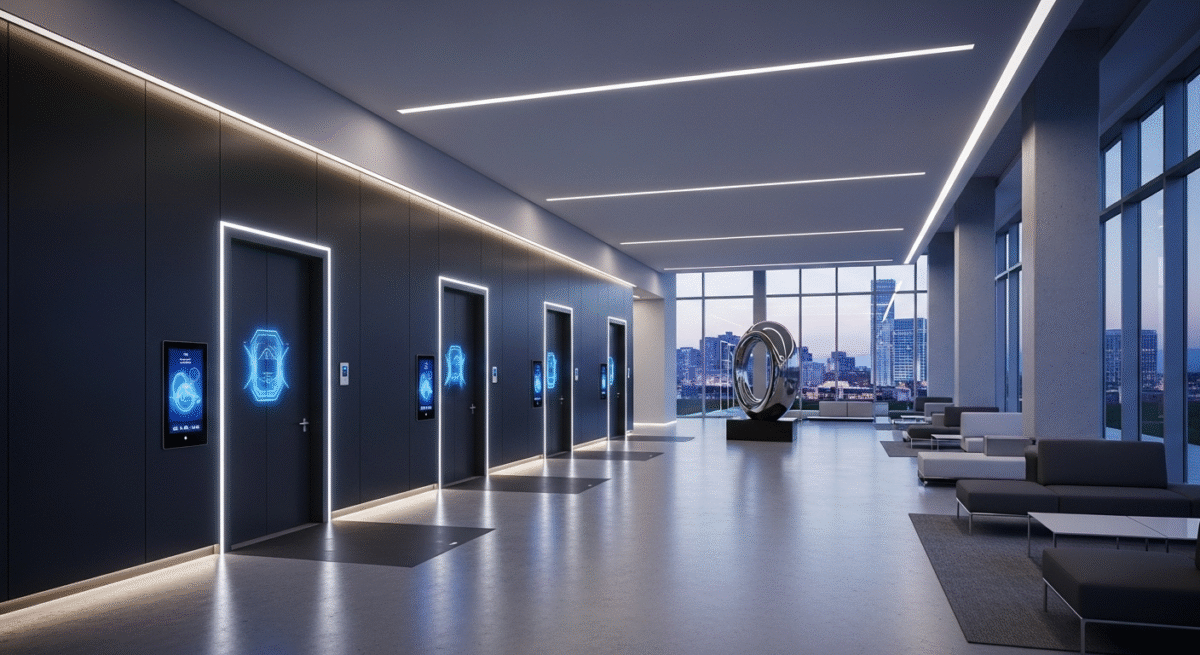
Why Building Automation Powers Property Safety

Over the past two decades in this industry, I’ve seen property management evolve from simple lock-and-key systems to highly sophisticated networks of automation. For me, building automation isn’t just about convenience — it’s the backbone of property safety.

When I started working on my first projects, property owners were excited simply to have basic intercoms and a few cameras in place. Fast forward to today, and the expectations are dramatically different. Tenants now expect seamless control over their environment, property managers demand real-time data, and security must always be reliable. That’s where building automation comes in.

By integrating lighting, HVAC, and access control systems into one smart platform, I can help properties anticipate and respond to safety risks before they escalate. For example, an automated lighting system can deter unwanted visitors by activating at specific times, while access control logs give managers a clear record of who entered and when.

Another advantage is energy efficiency, which directly ties back to safety. A building that is poorly managed often has dark corners, faulty climate control, and under-maintained systems — all of which can become vulnerabilities. By automating these functions, properties stay well-lit, comfortable, and secure.

But perhaps the biggest shift I’ve seen is the role of remote access. Today, I work with property owners who can monitor their buildings from anywhere in the world, unlocking doors, reviewing video footage, or adjusting settings instantly. This level of control was unimaginable 20 years ago, and yet it’s now a standard expectation.

To me, the future of building safety is deeply intertwined with automation. It’s not just about adding gadgets; it’s about creating a connected ecosystem where every component works together to keep people safe.